Phone:
(701)814-6992
Physical address:
6296 Donnelly Plaza
Ratkeville, Bahamas.
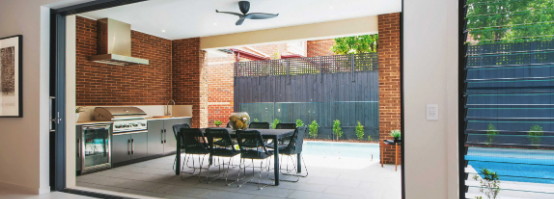
Walk into most older homes, and you’ll spot something odd once you start paying attention. Half the floor near every doorway is dead space. Kept clear for nothing but a door swing. Nobody puts furniture there. Nobody uses it for anything at all. Cavity sliders fix this overlooked problem by tucking the door away inside the wall itself. Living with one for a while, going back to a hinged door in a tight room starts to feel wasteful.
Every swinging door needs an arc of clear floor, and that arc stays off-limits no matter how the rest of the room gets arranged. A pocket door removes that arc completely. The door slides sideways into the wall and disappears. Suddenly, a bed sits closer to the wall. A vanity stretches wider. A desk fits where it always should have. Sounds minor when written down like this. In a small ensuite or a box room, though, it’s the difference between cramped and breathing room.
Bathrooms feel it most, since every centimetre is already contested. Walk-in robes come next. So do laundries and home offices tucked off a hallway, where a swinging door has a habit of clipping someone at exactly the wrong moment. Some homeowners use sliders to section off a kitchen from open-plan living, closing things up when cooking smells need containing, without building a permanent wall. Narrow hallway-adjacent rooms, where doors always seem to be in the way, tend to benefit the most obviously.
Building a stud-framed pocket inside a wall is genuinely different work compared with hanging a standard door. Cavity sliders aren’t something you casually bolt onto an existing solid wall without real disruption. The wall gets opened. Framed properly to house the door and its track. Closed back up once everything sits right. Wiring or pipework running through that section has to be rerouted first – exactly the detail that gets missed when people try retrofitting one without proper planning. This is why most go in during a build or a serious renovation, rather than as an afterthought tacked on later.
Here’s something rarely mentioned. The track system matters more than the door itself does. Soft-close mechanisms stop slamming and meaningfully cut down wear over the years of daily use. Cheap rollers, on the other hand, wear unevenly fast, and once they do, sticking or rattling creeps in that no amount of fiddling fully solves. Heavy timber doors need a track rated for that weight. Put one on a budget track, and the whole system eventually sags. Comparing hardware properly, instead of letting a builder default to whatever’s cheapest on the shelf, saves a lot of quiet frustration down the track. Quite literally.
Dust collects in tracks more than most people expect, particularly in homes with carpet or pets shedding constantly throughout the year. Left alone, that build-up eventually causes dragging, and a door that once glided shut now needs a proper shove. A quick wipe of the track now and then fixes most of it. Add the odd drop of lubrication on the rollers, and things keep moving smoothly. If the door does come off its track, most systems allow realignment without tearing into the wall at all. Reassuring, given how alarming that moment feels the first time it actually happens to you.
Sound behaves differently through a cavity wall than through a solid one. Anyone expecting total privacy in a bedroom or bathroom should weigh that carefully before committing. The wall housing the door also can’t hold power points or switches, which sometimes forces awkward compromises elsewhere in the layout. Load-bearing walls complicate things further still. Converting one into a cavity wall brings engineering sign-off that a non-structural wall simply never requires.
There’s a quiet visual benefit, too. Without a door swinging into frame, sightlines through a home stay cleaner, and rooms feel less interrupted by clutter that isn’t even furniture. Hardware finishes, from matte black through to brushed brass, let homeowners tie the track and handle into the rest of the house’s fittings, rather than treating the door as an afterthought nobody styled properly.
Choosing internal doors always comes down to balancing how a room looks against how it functions day to day. Cavity sliders manage both convincingly, reclaiming floor space and bringing a cleaner line to any space they’re fitted into. The installation does ask for more upfront planning than a hinged door ever would. But the payoff in daily usability, especially in tight rooms, tends to make that early effort feel genuinely worth it.