Phone:
(701)814-6992
Physical address:
6296 Donnelly Plaza
Ratkeville, Bahamas.
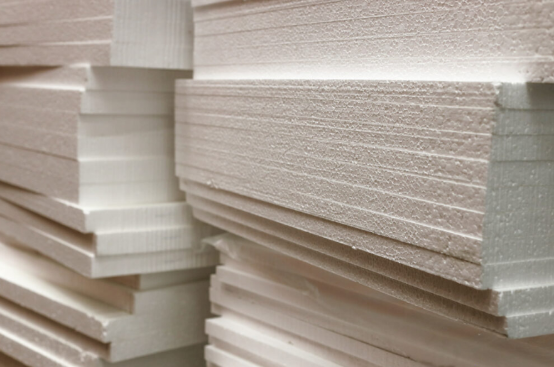
Here’s what nobody tells you about insulation. You think you’re buying a permanent solution, and then five years later you’re tearing into your walls, discovering problems. Polystyrene sheets promise durability and thermal performance. They deliver on some fronts. On others? Not so much. Builders love them because they’re easy to work with. Homeowners get frustrated when performance doesn’t match what they expected. When you buy polystyrene sheets, you’re making a decision that comes with hidden complications most people never anticipate.
Everyone obsesses over moisture resistance. But here’s the thing—polystyrene isn’t actually waterproof. It resists water absorption, sure. But prolonged submersion causes problems. Buildings in flood-prone areas shouldn’t rely on these sheets without additional protection layers. What manufacturers don’t emphasise is that moisture doesn’t travel straight through. It finds edges. It works around installation gaps. It exploits poor sealing. Professional installers know this. DIY enthusiasts learning this the hard way find themselves with compromised insulation performance. The resistance is real, but it’s not the complete protection marketing materials suggest.
Despite claims about maintaining shape, polystyrene does settle over time. Not dramatically. But it happens. Gaps appear at the top of walls. Thermal bridging develops where sheets separate slightly. Performance decreases gradually, so people don’t notice until heating bills creep up. Interior walls feel colder than expected. The settling accelerates in older buildings where foundational movement is inevitable. Contractors acknowledge this problem privately but rarely mention it publicly. Buildings insulated with these sheets sometimes require topping-up after fifteen or twenty years of service. This isn’t discussed in promotional materials.
Yes, the sheets are lightweight. That’s also their weakness. Wind conditions during installation cause endless frustration. On windy days, crews struggle keeping sheets in position. Corners curl. Edges lift. Adhesives don’t bond properly in certain conditions. Cold temperatures affect installation dramatically. Below certain thresholds, adhesives fail to cure correctly. Summer installations present different problems—heat accelerates adhesive curing too quickly, creating weak bonds. Professional installers schedule work around weather conditions, but this flexibility isn’t always possible. Small contractors and DIY enthusiasts end up installing in suboptimal conditions, compromising results from the start.
Regarding these materials, structural engineers and insulation experts often differ. Performance data is revered by some. Others draw attention to mistakes they have seen in the real world. Because polystyrene doesn’t adequately absorb sound, acoustic specialists especially detest it. Sometimes extra acoustic treatment is needed for buildings insulated using these sheets. Confusion stems from the wide variations in fire ratings based on product specifications. Older installations may not be in compliance with modern rules due to the constant changes in building regulations. Because of this inconsistency, experts should approach them warily and seek more precise criteria before uniformly approving them.
Marketing emphasises recycled content and recyclability. Reality is messier. Recycled polystyrene varies tremendously in quality. Some recycled sheets don’t perform as well as virgin material. End-of-life recycling depends on local infrastructure. Most regions lack proper facilities, meaning sheets end up in landfills anyway. Energy efficiency benefits are real but take considerable time to offset manufacturing emissions. Environmental claims sound impressive until you examine actual lifecycle analysis data. Companies produce better environmental outcomes with other materials in some situations.
People assume low material cost means overall savings. Installation costs sometimes exceed material expenses substantially. Specialised tools improve installation but add expense. Mistakes during installation waste materials. Experienced crews work faster but command higher wages. Budget calculations often miss these hidden expenses. Projects finish costing considerably more than initial estimates suggested. Contractors know this reality but rarely volunteer the information upfront.
Buy polystyrene sheets, understanding they’re not miracle solutions. They work well in specific applications. They struggle with others. Thermal performance is genuine but comes with installation challenges. Durability claims require examination. Real-world performance varies dramatically based on installation quality and environmental conditions. Success depends on realistic expectations and professional installation.