Phone:
(701)814-6992
Physical address:
6296 Donnelly Plaza
Ratkeville, Bahamas.
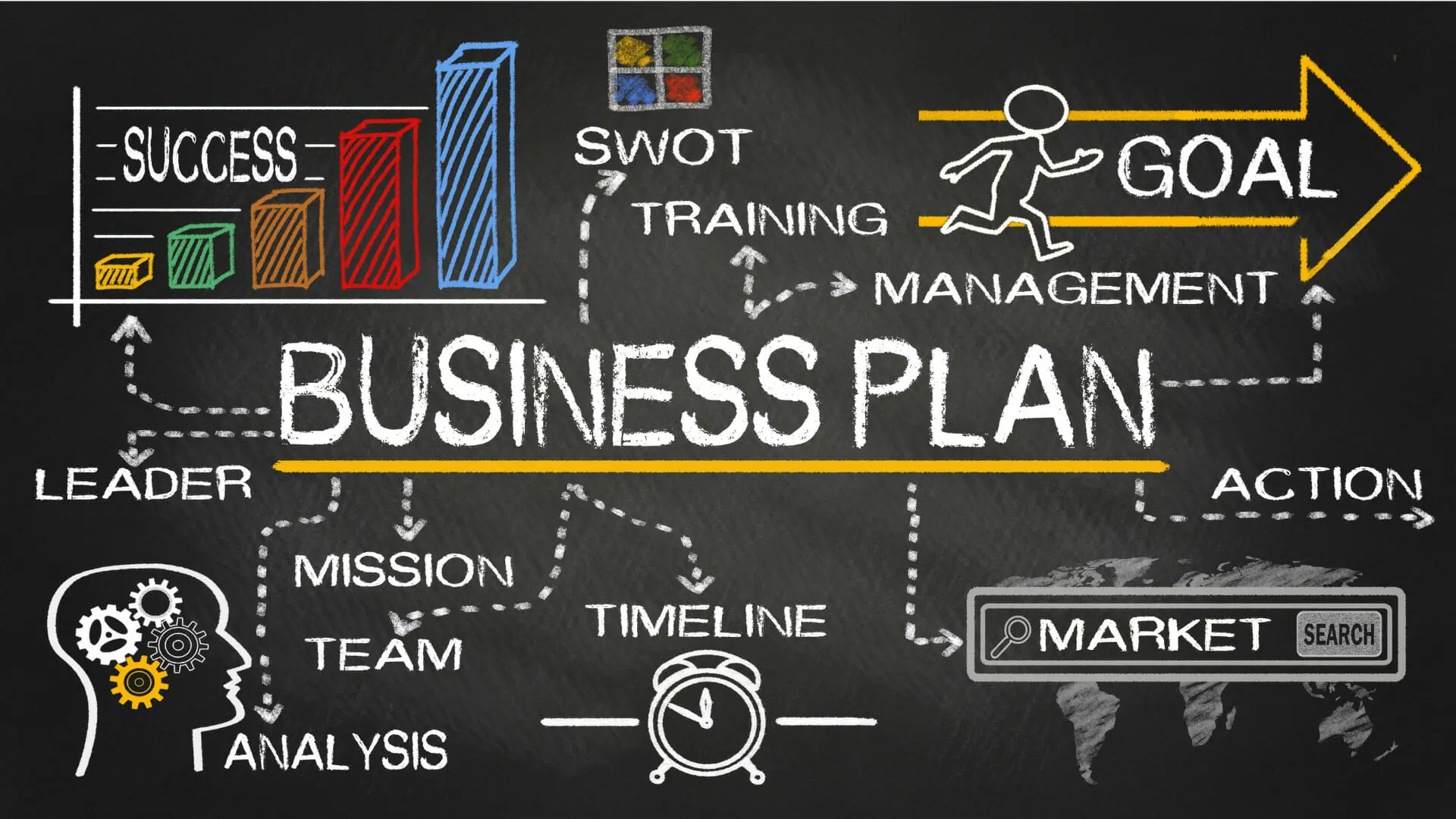
A small business plan is an essential document that helps entrepreneurs turn business ideas into practical goals and organized strategies. Whether someone wants to open a retail shop, start an online store, launch a consulting service, or establish a home-based business, having a clear plan can make the process easier to manage.
Starting a business involves more than choosing a product or service. Entrepreneurs must understand their target customers, research competitors, estimate startup costs, establish pricing, manage daily operations, and develop effective marketing strategies. Without proper planning, even a promising business idea may face financial difficulties or struggle to attract customers.
A well-prepared small business plan provides direction and helps business owners make informed decisions. It explains what the business will offer, who it will serve, how it will generate revenue, and what resources it needs to operate successfully.
This guide explains what a small business plan is, why it matters, the essential sections to include, and how to create a practical plan for a new or existing business.
A small business plan is a written document that describes a company’s goals, products or services, target market, marketing approach, operational structure, and financial expectations. It acts as a roadmap that guides business owners through different stages of starting, managing, and growing a company.
The plan helps entrepreneurs understand whether their business idea is realistic and what steps are required to turn it into a functioning operation.
For example, someone planning to open a bakery needs to identify the types of products they will sell, the customers they want to attract, the equipment they need, the cost of ingredients, and the location of the business. A business plan brings these details together in one organized document.
A small business plan can also help entrepreneurs communicate their ideas to potential investors, lenders, partners, and other stakeholders.
It does not need to be unnecessarily complicated. A simple plan with clear goals, realistic financial estimates, and practical actions can be more useful than a lengthy document filled with assumptions.
Business planning helps entrepreneurs prepare for opportunities and challenges before they become serious problems. It provides a structured way to evaluate decisions and monitor progress.
Some important benefits of creating a small business plan include:
A business plan is not a guarantee of success. However, it can reduce uncertainty by encouraging entrepreneurs to think carefully about the resources, customers, and activities required to operate a business.
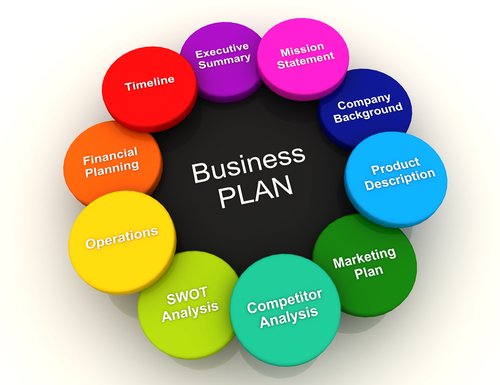
A complete small business plan contains several sections. Each section explains a different part of the business and helps readers understand how the company will operate.
| Business Plan Section | What It Includes | Main Purpose |
|---|---|---|
| Executive Summary | Business overview, mission, and goals | Introduces the business |
| Company Description | Business structure, location, and purpose | Explains what the company does |
| Market Analysis | Target customers, industry, and competitors | Evaluates market opportunities |
| Products and Services | Offerings, features, and pricing | Describes what the business sells |
| Marketing Strategy | Promotion, sales, and customer acquisition | Explains how customers will be reached |
| Operations Plan | Daily activities, equipment, and suppliers | Describes how the business will function |
| Management Structure | Ownership, roles, and responsibilities | Defines who manages the company |
| Financial Plan | Startup costs, revenue, expenses, and cash flow | Evaluates financial expectations |
The executive summary is a short introduction to the entire business plan. Although it appears at the beginning, entrepreneurs often write it after completing the other sections.
It should explain the business idea, products or services, target market, competitive advantage, and main objectives.
For example, an executive summary for a small coffee shop might describe its location, specialty beverages, customer groups, pricing approach, and plans for attracting local customers.
The purpose is to give readers a quick understanding of the business and why it has potential.
The company description explains what the business does and how it will operate.
It generally includes the business name, industry, location, legal structure, ownership details, mission, and long-term objectives.
Entrepreneurs should clearly describe the problem their business aims to solve or the customer need it intends to meet.
For example, a home-based digital marketing agency may provide website development, search engine optimization, content creation, and social media management for small companies.
A clear company description helps establish the identity and purpose of the organization.
Market analysis is an important part of a small business plan because it helps entrepreneurs understand the environment in which they will operate.
It involves researching potential customers, competitors, industry trends, demand, and market opportunities.
Business owners should identify:
For example, a clothing store targeting young professionals may focus on affordable office wear, convenient shopping, and fashionable designs.
Market research helps businesses avoid relying entirely on personal assumptions when making important decisions.
This section explains what the business will sell and why customers may choose its offerings.
Describe the main products or services, their features, pricing, quality, and potential benefits.
If the company sells physical products, include information about sourcing, inventory, packaging, and delivery. If it provides services, explain the work involved, service packages, customer support, and delivery process.
For example, a small web design business might offer basic website development, e-commerce website packages, website maintenance, and search engine optimization services.
The goal is to communicate the value customers receive from the business.
A marketing strategy explains how a business will reach potential customers, generate interest, and convert prospects into paying clients.
Small businesses can use several marketing methods depending on their target audience and budget.
Common marketing channels include:
The sales strategy should explain how customers will purchase products or services, how inquiries will be handled, and how the business will encourage repeat purchases.
A local restaurant, for example, may attract customers through social media promotions, local search visibility, customer reviews, and loyalty offers.
The operations plan describes the daily activities required to run the business.
It explains how products or services will be delivered, what equipment and technology are required, where operations will take place, and how employees or suppliers will contribute.
Depending on the business, this section may include:
A well-developed operations plan helps business owners understand what needs to happen every day to maintain consistent service.
This section explains who owns and manages the business and how responsibilities are divided.
A small company may have one owner responsible for finance, marketing, sales, and daily operations. A growing business may require managers, employees, contractors, or external professional support.
Clearly defining responsibilities reduces confusion and makes it easier to monitor performance.
If the business has multiple owners or partners, the plan should explain their roles and relevant areas of responsibility.
The financial plan explains how much money is needed to start and operate the business and how the company expects to generate revenue.
It should include startup expenses, ongoing costs, expected sales, pricing, cash flow, and profit estimates.
Common financial details include:
Financial estimates should be based on research and realistic assumptions rather than overly optimistic sales expectations.
Creating a business plan becomes easier when the process is divided into manageable stages.
Start by identifying the product or service you want to offer. Consider your skills, experience, interests, available resources, and customer demand.
A good business idea should address a specific customer need or provide value that people are willing to pay for.
Identify the people or organizations most likely to purchase your products or services.
Research their preferences, income levels where relevant, purchasing habits, problems, and expectations.
You can collect information through surveys, interviews, competitor research, industry reports, and customer conversations.
Identify businesses offering similar products or services. Review their pricing, customer reviews, marketing methods, product quality, and strengths.
Use this information to determine how your business can stand out.
Your competitive advantage might involve better customer support, specialized services, convenient delivery, unique products, or more suitable pricing.
Set specific and measurable goals for the first year and beyond.
For example, a new online store might aim to launch its website within three months, acquire its first 100 customers, and establish a consistent monthly sales target.
Goals should be realistic and connected to measurable business activities.
Decide how potential customers will discover your business.
Choose marketing channels based on where your audience spends time and how they make purchasing decisions.
For example, a local service provider may focus on local SEO, Google Business Profile visibility, customer reviews, referrals, and social media.
Prepare a list of expenses required to launch the business.
Include one-time purchases as well as ongoing monthly expenses. It is also wise to include an emergency reserve for unexpected costs.
Estimate sales, operating costs, cash flow, and profitability.
Use conservative assumptions and prepare alternative scenarios in case sales grow more slowly than expected.
A business plan should change as the company develops.
Review your goals, financial estimates, marketing results, and operational requirements regularly. Update the document when market conditions, customer needs, or business priorities change.
A practical example can help entrepreneurs understand how the different sections work together.
Consider a small business called Fresh Start Bakery that plans to sell freshly prepared cakes, cookies, bread, and customized desserts.
<text weight=”semibold” color=”default”>Sample business overview</text>
| Category | Example Details |
|---|---|
| Business Name | Fresh Start Bakery |
| Business Type | Food and retail |
| Main Products | Cakes, cookies, bread, and desserts |
| Target Customers | Local families, students, and working professionals |
| Sales Channels | Physical shop, phone orders, and online orders |
| Marketing | Social media, local SEO, referrals, and promotions |
| Main Goal | Build a trusted local bakery brand |
| Competitive Advantage | Fresh products, customization, and reliable customer service |
<text weight=”semibold” color=”default”>Illustrative startup budget</text>
| Expense | Estimated Cost |
|---|---|
| Equipment | $4,000 |
| Initial ingredients | $1,000 |
| Shop setup | $2,000 |
| Licenses and permits | $500 |
| Initial marketing | $500 |
| Working capital | $2,000 |
| Total Estimated Investment | $10,000 |
<text color=”secondary” size=”xs”>These figures are hypothetical examples in US dollars, not actual market quotations. Costs vary by location and business requirements.</text>
This example demonstrates how an entrepreneur can connect a business idea with its target customers, marketing approach, operations, and financial needs.
Financial planning is one of the most important parts of starting a small business. Entrepreneurs need to understand how much money is required before opening and how much the business will cost to operate each month.
Startup costs vary significantly depending on the business model.
| Business Type | Common Startup Expenses |
|---|---|
| Online Store | Website, inventory, packaging, payment processing, and advertising |
| Retail Shop | Rent, fixtures, inventory, utilities, and licenses |
| Restaurant | Kitchen equipment, ingredients, furniture, staff, and permits |
| Consulting Business | Website, software, professional services, and marketing |
| Cleaning Service | Cleaning equipment, supplies, transportation, and insurance |
| Digital Agency | Computers, software subscriptions, website, and employee costs |
Business owners should separate one-time startup expenses from recurring operating expenses.
They should also prepare a cash flow forecast to estimate when money will enter and leave the business. A company can generate sales and still experience financial difficulties if customers pay late or operating costs are too high.
Maintaining sufficient working capital helps businesses handle routine expenses and unexpected situations.
Marketing plays a major role in helping small businesses attract customers and compete with established companies.
A good marketing strategy does not need to involve a large advertising budget. The most important factor is choosing channels that match the target audience.
Search engine optimization helps businesses improve their visibility in search results. A well-structured website with useful content, relevant keywords, clear service information, and local business details can attract people actively searching for products or services.
Platforms such as Facebook, Instagram, LinkedIn, and other relevant networks can help businesses build awareness, share updates, display products, and communicate with customers.
The right platform depends on the type of business and its target audience.
Email marketing allows businesses to communicate directly with interested customers. Companies can use email to share product updates, promotions, useful information, and customer announcements.
Messages should be relevant and sent in accordance with applicable privacy and marketing rules.
Local businesses can attract nearby customers through community partnerships, local events, referrals, business directories, and location-based online visibility.
Positive customer experiences can encourage recommendations and repeat purchases. Businesses should make it easy for customers to provide honest feedback and respond professionally to both positive and negative reviews.
A business plan is useful only when it reflects realistic conditions and practical actions. Entrepreneurs should avoid mistakes that can weaken their planning process.
Ignoring market research: Starting a business without understanding customer demand can result in poor product decisions and low sales.
Underestimating costs: Many entrepreneurs calculate only the initial investment and forget recurring expenses, taxes, maintenance, and unexpected costs.
Setting unrealistic revenue targets: Overestimating sales can create cash flow problems and lead to poor financial decisions.
Ignoring competitors: Businesses should understand what alternatives customers already have and how their own offerings will provide value.
Using an unclear marketing strategy: Simply stating that the business will use social media is not enough. A useful plan should identify the target audience, platforms, content, budget, and expected results.
Failing to review the plan: A business plan should be updated when market conditions, customer expectations, and operational needs change.
Avoiding risk planning: Entrepreneurs should consider supply problems, technology failures, economic changes, and other challenges that may affect business operations.
Writing a plan is only the beginning. Entrepreneurs must convert its objectives into daily activities and regularly measure progress.
Start by assigning responsibilities for important tasks. Establish deadlines for launching products, developing marketing campaigns, securing suppliers, and managing finances.
Track useful performance indicators such as monthly revenue, customer acquisition, operating expenses, customer retention, and cash flow.
Review the results against the original goals. If a marketing campaign is not generating customers, investigate the reason and adjust the approach. If expenses are increasing faster than revenue, review costs and pricing.
Business owners should also listen to customer feedback because it can reveal opportunities to improve products and services.
Most importantly, remain flexible. A successful business plan provides direction, but it should not prevent the company from adapting when new information becomes available.
What is a small business plan?
A small business plan is a written document that explains a company’s goals, products or services, target market, marketing strategy, operations, management structure, and financial expectations. It helps entrepreneurs organize their ideas and make informed business decisions.
How do I write a simple small business plan?
Start with a business summary, describe your products or services, identify your target customers, research competitors, develop a marketing strategy, explain daily operations, and estimate startup costs and revenue. Keep the plan clear, practical, and based on realistic information.
What are the main parts of a small business plan?
The main sections generally include an executive summary, company description, market analysis, products and services, marketing and sales strategy, operations plan, management structure, and financial plan.
Can I create a small business plan without hiring a professional?
Yes. Many entrepreneurs can prepare their own business plans using templates, spreadsheets, market research, and financial planning tools. However, professional advice from an accountant, lawyer, or business consultant may be helpful when dealing with complex financial, legal, or regulatory matters.
How long should a small business plan be?
There is no fixed length. A simple plan for a small or home-based business may be only a few pages, while a detailed plan prepared for lenders or investors may be considerably longer. The document should contain enough information to explain the business model, market opportunity, operations, and financial expectations.
A small business plan is a valuable tool for anyone who wants to start, manage, or grow a business. It provides a clear roadmap by defining business goals, identifying target customers, explaining marketing strategies, organizing operations, and estimating financial requirements.
A strong plan begins with realistic market research and clear objectives. It also considers startup expenses, cash flow, competition, customer needs, and potential risks. By reviewing the plan regularly and making improvements when necessary, entrepreneurs can respond more effectively to changing business conditions.
Whether you are launching an online store, opening a local shop, starting a service company, or developing a home-based business, a practical small business plan can help turn your idea into an organized and manageable business venture.
[…] Read More : Small Business Plan: A Complete Guide to Starting and Growing a Successful Business […]