Phone:
(701)814-6992
Physical address:
6296 Donnelly Plaza
Ratkeville, Bahamas.
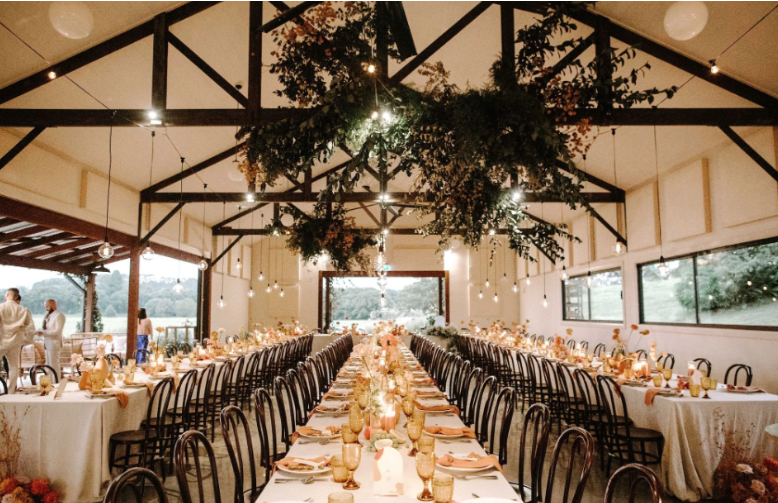
There is a particular kind of event that people talk about for years afterwards — not because of the catering or the florals, but because of how the place made them feel the moment they arrived. Byron Bay has been producing that effect consistently, and yet it remains genuinely underused by planners outside New South Wales who default to Sydney or Melbourne event infrastructure out of habit. Byron Bay venuesreward the planners who look past the obvious choices, and the reasons go well beyond pretty scenery.
Photographers who work the Byron Bay region regularly will tell you something event planners rarely factor into venue decisions: the quality of natural light here is functionally different from what you get in urban environments. The orientation of the coastline, combined with the elevation of certain hinterland properties, produces a softness and warmth during late afternoon that no lighting rig accurately recreates. Events that lean into this — ceremonies timed to late afternoon, reception spaces with westward outlooks — get a visual return that simply does not exist in a conference centre ballroom.
Byron Bay carries a cultural reputation for being laid-back, which some planners misread as logistically loose. The opposite tends to be true. Because the region has hosted a high volume of destination weddings and retreats over many years, Byron Bay venues have developed operational maturity that newer event precincts lack. Bump-in schedules, noise restriction awareness, wet weather contingencies, and catering logistics across remote properties are handled with the kind of quiet competence that comes from repetition. The relaxed atmosphere is real; the behind-the-scenes operation that sustains it is anything but casual.
Most people picture beachfront when they think of Byron Bay events, and miss an entirely different category of venue sitting twenty minutes inland. The hinterland properties — some working farms, some purpose-built event estates — offer a combination that coastal sites cannot match: genuine privacy, elevated outlooks across green valleys, and spaces large enough to accommodate accommodation, ceremony, and reception on a single property without guests needing to move between locations. For multi-day events especially, that containment changes the character of the whole gathering.
There is a meaningful difference between a florist who has worked a particular barn space dozens of times and one encountering it for the first time on the day. The local supplier network around Byron Bay is one of the region’s least-discussed assets. Caterers who understand which properties have limited power access, photographers who know exactly where the light lands at four in the afternoon, and audio technicians who have navigated the acoustics of open-air hinterland spaces — this accumulated knowledge is not available for hire from a city-based team, regardless of their portfolio.
Events that occupy a single evening exist in isolation. Events that pull guests into a region for two or three days become experiences. Byron Bay’s surrounding infrastructure — the quality of its accommodation range, the standard of its restaurant scene, and the variety of its coastal and hinterland activities — means that guests who arrive early and leave late are genuinely well occupied. That surrounding guest experience shapes how the event itself is remembered, and Byron Bay builds that context without the planner having to manufacture it.
Here is something venue brochures rarely volunteer: Byron Bay’s residential proximity to certain event precincts means noise restrictions apply with real enforcement teeth. Outdoor amplified music has defined cut-off times, and some properties have more flexibility than others depending on their location and approval conditions. Planners who discover this detail late into negotiations face uncomfortable programme adjustments. Asking specific questions about amplification, cut-off times, and wet weather alternatives before signing anything is not excessive caution — it is the difference between a smooth event and a compromised one.
The planners who get the most out of Byron Bay venues are those who treat the region as an active ingredient rather than a backdrop. The light, the operational experience embedded in local suppliers, the hinterland properties that never appear on the first page of search results, and the guest experience surrounding the event itself — these are the details that separate a memorable occasion from a merely pleasant one. Byron Bay consistently delivers when planners know precisely what to ask for and where to look.