Phone:
(701)814-6992
Physical address:
6296 Donnelly Plaza
Ratkeville, Bahamas.
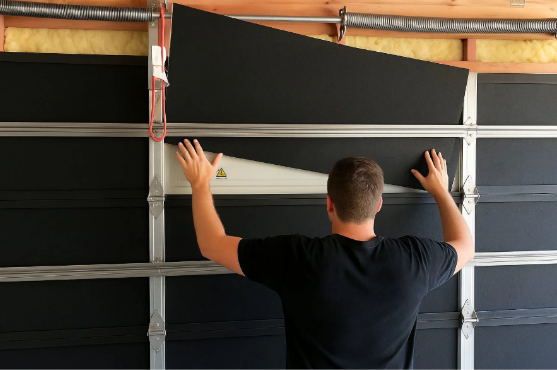
Most homeowners never think twice about their garage door. It just opens and closes. But that flat panel sits on the coldest wall of the house, acting almost like a giant window nobody bothered to glaze properly. Stand near a garage on a January morning and touch the shared wall. It’s freezing. That’s not bad luck. That’s garage door insulation, or the absence of it, working against the rest of your home without anyone noticing.
A Warmer Welcome
Cold doesn’t sneak in through gaps alone. It moves straight through solid metal and timber, radiating into whatever sits behind it. So a garage can feel like a walk-in freezer even with the door sealed shut. Insulation stops that radiant transfer, not just the draughts. Bedrooms above garages, home offices beside them, they feel the difference first. Cold surfaces steal warmth from nearby rooms faster than most people realise, and nobody notices until it stops happening.
Cutting Energy Waste
Boilers hide in garages more often than people admit. So do hot water cylinders. Ductwork too, sometimes. When the space around that equipment swings wildly between freezing and mild, the equipment struggles, quietly, invisibly, in ways nobody traces back to a door. Insulate the garage properly and the whole environment steadies itself. The appliances benefit. The energy bill benefits somewhere further down the line, though rarely where anyone thought to look.
Blocking Outside Noise
The sound isn’t uniform. It has texture, weight, and frequency. Thin doors let through the low, grinding rumble, engines idling, wheelie bins dragged across tarmac, traffic droning somewhere distant, while barely touching sharper, higher sounds. Mass handles that rumble. Dense insulating panels supply exactly that mass. A quieter garage rarely means total silence. It usually means a background hum finally disappears, and you only notice once it’s gone.
Protecting What’s Inside
Cold does damage indoors too, not just outside. Paint separates. Aerosols risk splitting open. Electronics left in an unheated garage wear out faster than anyone expects. Insulation won’t turn a garage into a climate chamber, nobody’s claiming that, but it narrows the swings enough to matter. Ask anyone who’s opened a tin of paint only to find it ruined. They understand immediately why this isn’t a minor detail.
Boosting Door Durability
Picture a sandwich. Steel or composite on both sides, a rigid core packed between them. That’s how insulated doors are usually built, and the structure does more than trap warm air. It resists oil-canning too, that rippled, warped look thin single-skin doors develop after enough sun and cold. Choose garage door insulation from the outset, rather than bolting it on later, and the panel tends to stay flatter for longer.
Simple Installation Process
Retrofitting sounds intimidating. It usually isn’t. Most failures trace back to one mistake, gaps left at the edges. Foil kits, rigid foam panels, doesn’t matter which, they both lose their value fast if they don’t sit snug against the frame and internal ribs. Patience matters more than material here. Worth remembering before assuming a professional is strictly necessary just to get this right.
Choosing the Right Material
Nobody talks about weight in the showroom. They should. Add insulation and the door gets heavier, but springs and openers were calibrated for the lighter version. Swap in something denser without adjusting for that, and you strain the mechanism, shortening its working life. Match the material to the hardware already installed. Skip that step and a sensible upgrade quietly creates a fresh problem somewhere else.
Long-Term Value
Estate agents clock small details during viewings. A garage that feels usable, rather than abandoned, registers with buyers even when nobody says a word about it. Cold and draughty reads as wasted space. Insulated reads as potential, storage, workshop, extra room, whatever the buyer imagines. That shift in perception tends to outlast the work itself.
Conclusion
None of this is about trends or copying a neighbour’s weekend project. Garage door insulation solves problems you can actually trace: radiant cold, overworked appliances, low rumbling noise, ruined stored goods, warped panels. Understand the mechanism behind each one and the upgrade stops feeling optional. It starts feeling overdue.